
Hospitality has spent years investing in technology. The next competitive advantage will come from somewhere else.
AI is making operations smarter. Data is making decisions faster. Automation is making service more efficient. And yet, the question that will define the winners in hospitality remains unchanged: do we understand people well enough?
That is still the real test of leadership in our industry.
That question matters because hospitality is no longer a seasonal business in the old sense. It is a year-round global industry with enormous economic weight. In 2025, Travel & Tourism contributed US$11.6 trillion to global GDP, representing 9.8% of the world economy, and supported 366 million jobs worldwide, according to WTTC. UN Tourism also reported 1.52 billion international tourist arrivals in 2025, up 4% year on year. Those figures show scale. They also show responsibility.
The bigger the sector becomes, the more it depends on something technology cannot replace: human judgement.
Real leadership in hospitality is not only about systems, process or speed. It is about reading a room, sensing what is not being said, understanding pressure before it turns into friction, and turning service into memory. That is where the real value is created. That is what people remember. And that is what makes a brand worth returning to.
At Les Roches, we see this every day. The organisations that stand out are rarely the ones with the most advanced tools alone. They are the ones that know how to make people feel understood – guests, employees, partners and communities alike. They combine efficiency with empathy. They use data without losing sight of the human reality behind it. They know that technology can improve service, but only people can give it meaning.
That is why listening has become one of the most important leadership skills in hospitality.
The World Economic Forum’s Future of Jobs Report 2025 only reinforces that point. Employers expect 39% of workers’ core skills to change by 2030, and 63% say skill gaps are the main barrier to business transformation. The same report projects 170 million new jobs this decade, while 92 million roles may be displaced. In a world moving that fast, the capabilities that matter most are not only technical. They are human: judgement, empathy, curiosity, communication and the ability to lead people through change.
That is especially true in hospitality, where technology is increasingly present in the guest journey, but the memory of an experience is still shaped by people.
AI can anticipate patterns. Automation can improve efficiency at scale. Data can personalise experiences. But none of that can replace the human ability to interpret context, notice emotion and create trust. A system can tell you what someone did. It cannot fully tell you why or how they did it, or what they needed but never voiced. And in our sector, that distinction matters.
The same is true inside organisations.
One of the biggest challenges facing hospitality today is not just finding talent. It is keeping it. If we want to deliver memorable experiences externally, we first need to create meaningful experiences internally. Teams that feel heard, respected and developed, perform differently. They stay longer. They care more. They go further. That is not a soft issue. It is a business issue.
The best leaders do not simply manage performance. They build confidence. They notice fatigue before it becomes disengagement. They recognise effort before it disappears. They train and challenge the ones that are looking for development. They create cultures where people feel safe enough to speak, contribute and belong. In hospitality, that is not separate from service quality. It is the foundation of service quality.
Hospitality will continue to be shaped by technology, sustainability, demographic change and evolving traveller expectations. But the organisations that will lead through those changes will not be the ones that are most automated. They will be the ones that are most attentive.
Because in hospitality, hospitality itself is still about people.
That is why the future of the sector will belong to leaders who can combine operational discipline with empathy. Leaders who understand that the guest experience and the employee experience are no longer separate conversations. Leaders who know that the most memorable brands are built not only on what they deliver, but on how they make people feel.
At Les Roches, that is exactly the kind of leadership we want to develop.
We believe the next generation of hospitality leaders must be comfortable with technology, fluent in business and operational excellence, and ready to work across cultures and markets. But they must also learn to pause, look and listen. Because in a world of increasing speed, the ability to slow down enough to understand people may be the most valuable leadership skill of all.
The more digital, automated and data-rich our industry becomes, the more valuable the most human capabilities will be: empathy, judgement, curiosity, communication and presence. Those are not old-fashioned qualities. They are the foundations of future-ready leadership.
In the end, the companies that will lead the future are not necessarily those that move the fastest.
They are the ones that listen best.
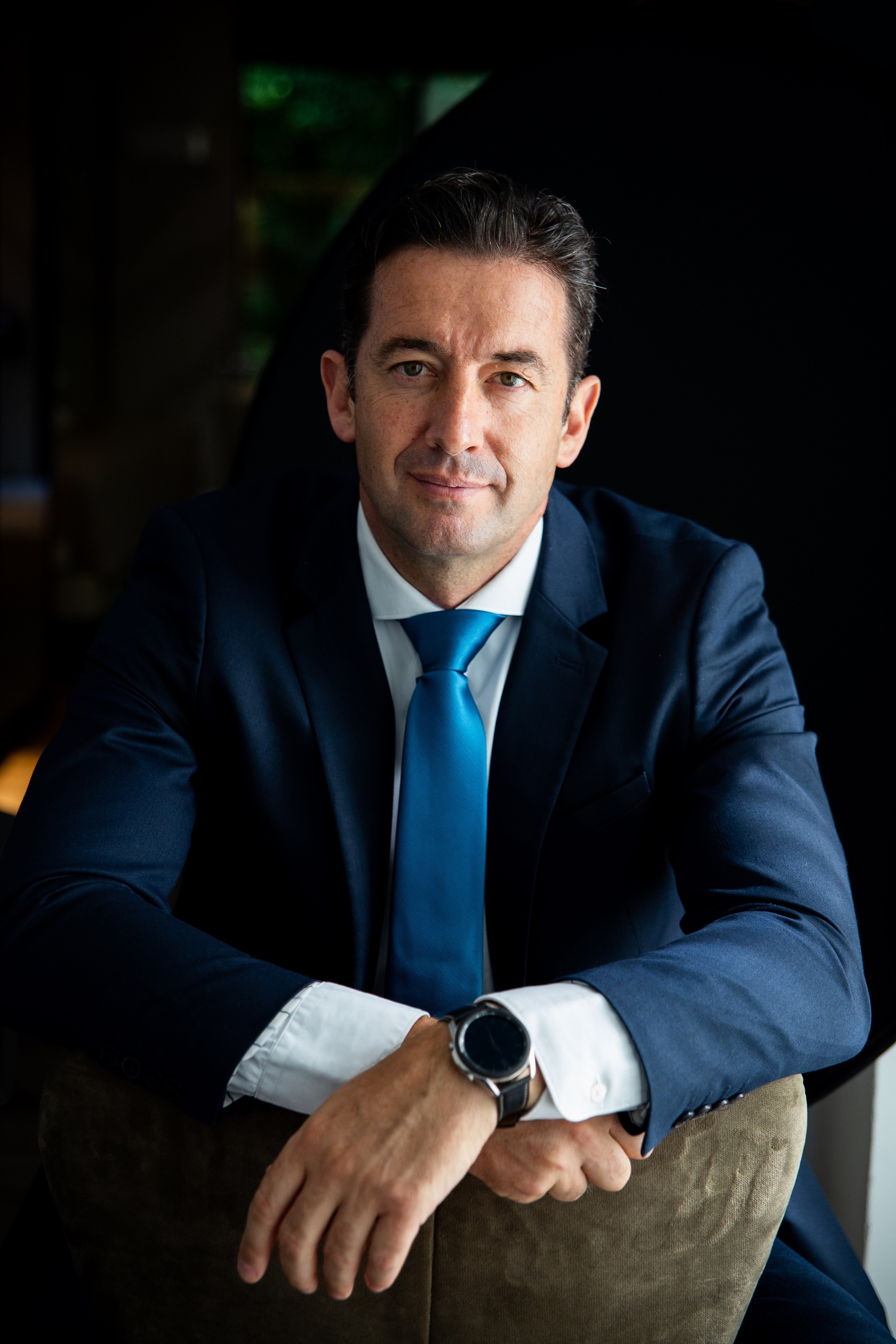
Carlos Díez de la Lastra is CEO of Les Roches.