
Have you ever gone to bed feeling tired but still found yourself tossing and turning? Many people deal with restless nights and think the problem is stress or busy schedules. Sometimes that’s true. But often, the real reason is much simpler: the bedroom itself.
The space where you sleep has a big effect on how well you rest. Light, temperature, comfort, and even clutter all play a role. The good news is that improving your bedroom doesn’t have to be complicated. Small changes can make your nights more restful and your mornings less groggy. Let’s look at the parts of a bedroom that matter most for good sleep.
Comfort and Support in Your Sleep Space
Comfort is the foundation of a good night’s sleep. If your bed feels lumpy, uneven, or doesn’t support your body, chances are you will wake up often during the night. That means less deep sleep and more morning fatigue.
Your mattress and bedding should give both comfort and support. Some people sleep better on a firmer surface, while others need something softer to feel relaxed. Pillows also matter, since the wrong pillow can cause neck pain or stiffness.
If you want to refresh your room, upgrading your mattress is often a good place to start. You don’t have to guess what might work best, since there are many trusted brands designed for better sleep. For example, you can shop Beautyrest Luxury Mattresses to explore high-quality options that balance comfort and support. Finding the right fit can help you feel more relaxed at night.
Comfort doesn’t stop at the mattress. Soft sheets, breathable fabrics, and a cozy blanket all add to a restful environment. Creating a bed you look forward to climbing into can make sleep feel inviting instead of like a struggle.
Lighting and Sleep Quality
Light is one of the most powerful signals for your body’s sleep cycle. Bright light in the evening can trick your brain into staying awake longer. On the other hand, darkness tells your body it’s time to rest.
Keeping your bedroom dark at night helps you fall asleep faster. Blackout curtains are great if you live near streetlights or if morning sun wakes you too early. Dim lamps in the evening also set the right mood. Try to avoid using your phone or computer in bed, since the light from screens can make it harder to relax.
Exposure to natural light during the day is just as important. Opening your curtains in the morning or spending time outside helps your body stay on track. This makes it easier to feel awake in the day and ready to sleep at night.
Temperature and Air Quality
Have you noticed how hard it is to fall asleep when your room is too hot or too cold? Temperature plays a big role in comfort during the night. Most people sleep best in a cooler room, often between 60 and 67 degrees Fahrenheit.
If you tend to get hot, consider lighter bedding or breathable fabrics that keep air moving. Fans or air conditioning can also help regulate the room. On the other hand, if you get cold at night, layer blankets instead of using one heavy comforter. That way, you can adjust more easily.
Air quality is another part of sleep comfort. Stale air can feel stuffy and distracting. Keeping windows open for fresh air, using an air purifier, or running a humidifier in dry climates can improve how the room feels. Clean, cool air makes falling asleep smoother and staying asleep easier.
Reducing Noise for Better Rest
Noise is one of the biggest disruptors of sleep. Even if you don’t wake up fully, sudden sounds can pull you out of deep rest. This is why many people feel tired even after eight hours in bed.
If you live in a busy area, blocking noise is important. Simple fixes like using earplugs or placing a white noise machine by the bed can make a huge difference. White noise masks background sounds and creates a steady environment for your brain to relax.
Fans can also double as noise blockers while keeping the room cool. If you share your home with others, setting quiet hours or closing doors can help reduce interruptions.
Decluttering and Creating a Relaxing Space
A messy room can make it hard to feel calm. Clutter signals activity and unfinished tasks, which isn’t ideal when you’re trying to relax. A clean, organized space helps your mind slow down.
Keeping your nightstand clear of random items makes the room feel less busy. Folding laundry, putting away clothes, and clearing surfaces may seem small, but the effect is big. It creates a space that feels restful and ready for sleep.
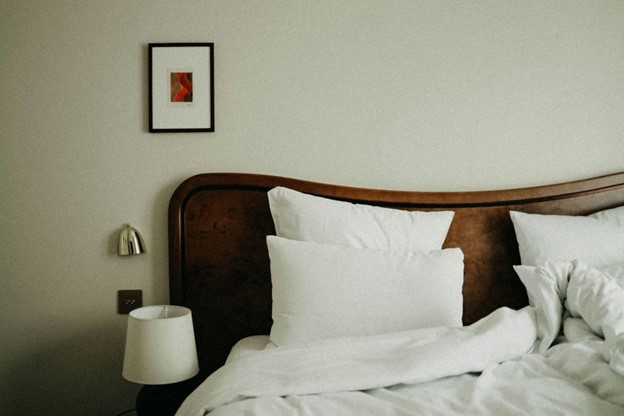
Décor also matters. Neutral or soft colours often feel more calming than bright or bold shades. Soft lighting, cozy bedding, and minimal distractions help your bedroom feel like a retreat instead of just another room in the house.
The Role of Night-time Routines in Your Bedroom
Your habits before bed affect how easily you fall asleep. A good night-time routine signals your body that it’s time to wind down. The bedroom plays a big part in that.
Simple activities like reading a book, journaling, or doing light stretches in bed prepare your mind to relax. Avoid using your bedroom for work, since that makes it harder to switch off. The space should feel linked to sleep and rest, not stress.
Consistency matters too. Going to bed around the same time each night helps your body set a rhythm. Over time, this routine makes falling asleep easier and waking up more natural.
Your bedroom environment has more power over your sleep than you might think. Comfort, light, temperature, noise, clutter, and routines all come together to shape how restful your nights feel.
Improving sleep doesn’t always require big changes. Small steps, like dimming the lights, adjusting the temperature, or decluttering, can make the room more restful. Adding supportive bedding or calming décor can also create a space you enjoy.
The goal is simple: make your bedroom a place where sleep feels natural. When your environment supports rest, your nights become easier, and your mornings feel brighter.